

Research and Application of Laser Cutting Processing and Precision Sheet Metal Processing Technology
Factors affecting the quality of laser cutting
There are many factors that affect the quality of laser cutting processing, and an important advantage of laser cutting processing is that it can implement high control over the main factors in the process, so that the cut workpiece fully meets the customer's requirements and has good repeatability. These main factors consist of process parameters such as cutting speed, focal position, auxiliary gas pressure, and laser output power. In addition to the four most important variables mentioned above, factors that may affect cutting quality include beam parameters (mode and power, polarization of laser beam, focusing of laser beam, pulse wave beam) and workpiece characteristics (material surface reflectivity, material surface state), as well as other factors such as cutting torch and nozzle, external optical path system, workpiece fixation, etc. Cutting quality can be improved by changing the characteristics of the workpiece. Excessive surface temperature and corrosion of steel can affect cutting quality. It is generally required that the steel plate temperature should be low, and the steel plate surface temperature can be reduced by adjusting the cutting sequence. It is required to move to a far position for cutting after cutting at one position. In the process of adjustment, cutting quality and cutting efficiency should be comprehensively considered: the steel plate temperature can also be reduced by using water cooling at the cutting position. The surface of the steel plate is severely corroded, which seriously affects the cutting quality and leads to large cutting notches. When cutting holes, the waste cannot be removed, increasing the cost of subsequent processing.
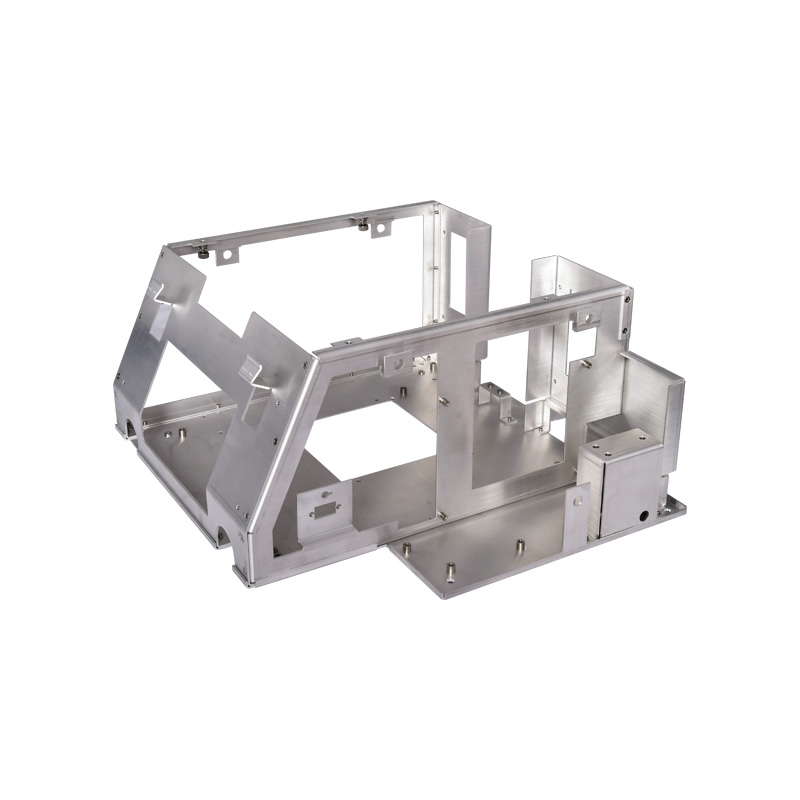
Laser cutting processing is the most important application technology in the laser processing industry, and it is also the earliest and most commonly used processing method in laser processing. It accounts for over 70% of the entire laser processing industry. This article mainly introduces the principle of laser cutting, the characteristics of laser cutting, the analysis of the main influencing factors of material laser cutting, and the development and analysis of the main process technology of laser cutting. At present, laser cutting is mainly CO2 laser cutting. This article also introduces the main principles of CO2 laser cutting, the processing characteristics of CO2 laser cutting, and the application of CO2 laser cutting in various fields at home and abroad. Introduction and analysis of laser cutting of commonly used engineering materials. The current development status and prospects of laser cutting technology, and based on its domestic and international development status, the future development trend of laser cutting technology is pointed out.
Laser cutting processing principle:
The laser beam is focused into very small light spots with a minimum diameter of less than 0.1mm, achieving a high power density of over 106W/cm2 at the focal point. At this point, the heat input by the light beam (converted from light energy) far exceeds the part reflected, conducted, or diffused by the material, and the material quickly heats up to the point of vaporization humidity, evaporating to form pores. As the beam moves linearly relative to the material, the holes are continuously formed into narrow (such as about 0.1mm) slits, and then high-pressure gas is used to blow away the melted or vaporized material from the slits, achieving the effect of cutting the material. Due to the use of invisible light beams instead of traditional mechanical knives, the mechanical part of the laser blade head has no contact with the work and will not cause scratches on the working surface during operation; Laser cutting speed is fast, the incision is smooth and flat, and generally does not require further processing; The cutting heat affected zone is small, the deformation of the board is small, and the cutting seam is narrow (0.1mm~0.3mm); The incision has no mechanical stress and no shear burrs; High processing accuracy, good repeatability, and no damage to the material surface; Numerical control programming, capable of processing any flat plan, can cut large entire boards without the need for molds, saving time and economy.